
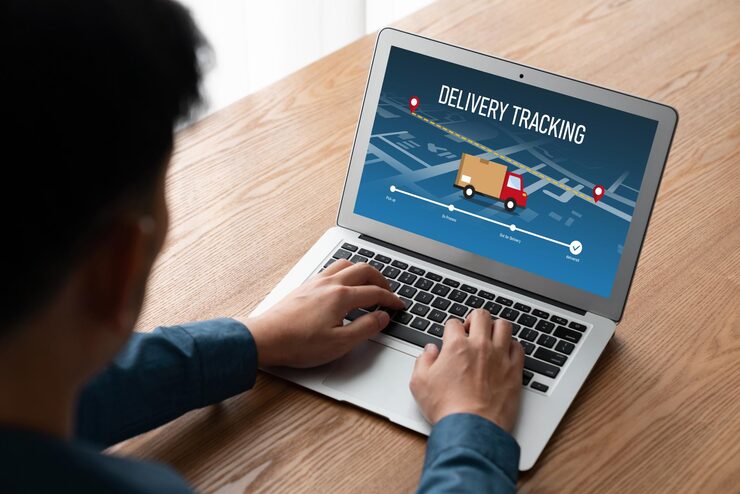
Courier Route Optimization has become a crucial focus for modern logistics companies aiming to improve efficiency and reduce operational costs. In an era where customers expect faster deliveries and companies face rising fuel prices, optimizing delivery routes is no longer optional—it is essential. Businesses that master route optimization not only save time and money but also enhance customer satisfaction, streamline operations, and reduce environmental impact.
From small courier startups to large-scale delivery networks, the principles of Courier Route Optimization apply universally. By carefully planning and leveraging technology, companies can transform their delivery processes into well-oiled systems that are both cost-effective and reliable.
The Importance of Optimizing Courier Routes
Efficient route planning directly impacts a courier company’s bottom line. Every extra mile traveled represents increased fuel costs, vehicle wear, and driver time. Conversely, a well-optimized route reduces unnecessary driving, maximizes deliveries per trip, and ensures timely service.
For example, imagine a courier company operating in a busy urban area. Without proper route planning, drivers may circle through congested streets or backtrack between deliveries, wasting time and resources. Implementing Courier Route Optimization techniques allows the company to map the shortest and fastest routes, avoiding traffic bottlenecks and minimizing idle time.
Technology Transforming Courier Route Optimization
Modern logistics heavily rely on technology to optimize routes efficiently. GPS systems, advanced mapping software, and AI-driven route planning tools have revolutionized how deliveries are managed. These platforms analyze traffic patterns, delivery priorities, and real-time conditions to recommend optimal routes for drivers.
Consider a delivery network handling hundreds of parcels daily. AI-powered systems can prioritize urgent deliveries, cluster nearby addresses, and adjust routes dynamically based on traffic or weather. This reduces delays and improves operational efficiency, making Courier Route Optimization a competitive advantage.
Real-Life Applications and Case Studies
Several global courier companies have successfully leveraged route optimization to save millions in operational costs. For instance, a major logistics provider integrated predictive analytics with GPS tracking, reducing average delivery times by 20% and fuel consumption by 15%.
Even small businesses benefit from similar approaches. A local courier startup can implement route optimization software to plan multi-stop deliveries efficiently. By analyzing delivery locations and time windows, they can minimize driver fatigue, reduce fuel costs, and maintain high customer satisfaction.
Integrating Sustainability into Courier Operations
Beyond cost savings, Courier Route Optimization contributes to sustainability. Fewer miles traveled mean lower carbon emissions, making logistics operations greener. Companies increasingly recognize the importance of environmentally conscious practices, integrating route optimization with electric or hybrid vehicles to reduce their carbon footprint further.
For example, a regional delivery service in Europe adopted route optimization combined with electric vans. This approach not only cut operational costs but also strengthened the company’s brand image as a sustainable business, attracting eco-conscious clients.
Planning Multi-Stop Deliveries Effectively
Multi-stop deliveries pose unique challenges for couriers. Planning multiple stops efficiently requires careful consideration of distance, traffic, time windows, and package priority. Courier Route Optimization tools use algorithms to sequence stops in the most efficient order, balancing speed and cost.
A courier delivering food, documents, or e-commerce packages faces strict time constraints. Prioritizing perishable or urgent items, while grouping stops geographically, ensures timely delivery without unnecessary backtracking. This approach directly enhances customer satisfaction while minimizing operational expenses.
Training Drivers for Optimized Routes
Even with the most advanced technology, human factors remain critical. Driver training in following optimized routes and understanding traffic patterns significantly enhances delivery efficiency. Companies often provide real-time route updates, encouraging drivers to adapt to changing conditions proactively.
In addition, drivers familiar with optimized routing tend to avoid shortcuts or habits that negate software suggestions. Their experience combined with technology ensures consistent performance, maximizing the benefits of Courier Route Optimization.
Leveraging Data Analytics for Continuous Improvement
Data plays a pivotal role in refining courier operations. By analyzing delivery times, fuel consumption, traffic patterns, and customer feedback, companies can continuously improve route efficiency. Analytics identify recurring bottlenecks and highlight areas for improvement.
For example, analyzing data from a month’s deliveries may reveal that certain streets consistently slow down routes during peak hours. Adjusting schedules or re-routing can prevent future delays. Data-driven insights also support strategic decisions, such as expanding service areas or investing in additional vehicles.
Balancing Speed and Cost Efficiency
Optimized routes must balance speed and cost-efficiency. While the fastest route may not always be the most economical, a holistic approach ensures that deliveries remain profitable without compromising customer expectations.
In practice, this could involve combining high-priority deliveries on the fastest routes with less urgent packages on slightly longer, cost-effective routes. This balance ensures operational sustainability while maintaining a competitive edge.
Future Trends in Courier Route Optimization
The logistics sector is evolving rapidly, and Courier Route Optimization is at the forefront of innovation. Emerging technologies like machine learning, autonomous delivery vehicles, and drone-based logistics are reshaping route planning.
For instance, predictive AI models can forecast demand surges during peak shopping seasons, preemptively adjusting routes to meet increased delivery volume. Drone deliveries could bypass traffic entirely, reducing delivery times in urban areas. These innovations will redefine efficiency standards, making route optimization even more critical for businesses aiming to stay competitive.
Cross-Industry Implications
Efficient courier operations extend beyond logistics companies. E-commerce platforms, food delivery services, healthcare providers, and even postal services rely on optimized routes to meet customer expectations. In the competitive online marketplace, timely and cost-effective deliveries often influence customer loyalty and brand reputation.
Companies that adopt Courier Route Optimization gain advantages such as reduced operational risks, better resource allocation, and enhanced scalability. This strategy allows them to respond quickly to market fluctuations, seasonal demand, and unforeseen challenges like traffic disruptions or vehicle breakdowns.
Read also:
gujarat titans vs lucknow super giants match scorecard
pakistan national cricket team vs india national cricket team match scorecard
lucknow super giants vs gujarat titans match scorecard
sri lanka women vs india women’s national cricket team match scorecard