
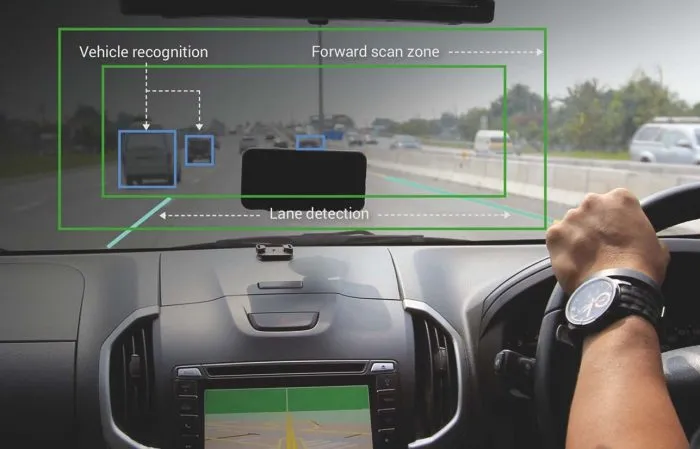
Advanced driver assist is quietly reshaping how people experience driving, often without them realizing just how much support is working in the background. The first time a car gently corrects its lane position or automatically slows to maintain distance, many drivers feel surprised, even relieved. What once depended entirely on human reflexes is now supported by intelligent systems designed to reduce errors and enhance safety.
This technology is not about replacing drivers. It is about helping them. On busy roads, during long commutes, or in moments of distraction, driver assist systems act as an extra layer of awareness. Understanding how these systems work and why they matter helps drivers use them confidently and responsibly.
Table of Contents
ToggleHow Driver Assistance Became Necessary
Modern roads are more complex than ever. Traffic density has increased, distractions have multiplied, and driving environments change constantly. Even experienced drivers face situations where reaction time is tested.
Manufacturers recognized that technology could help fill these gaps. Sensors, cameras, and software could monitor surroundings continuously, something humans cannot do perfectly. This realization marked the beginning of a new era in vehicle safety.
Driver assistance evolved not from convenience alone, but from a genuine need to reduce accidents and fatigue.
The Shift from Passive to Active Safety
Traditional vehicle safety focused on protection after an accident. Seatbelts and airbags reduced injury but did nothing to prevent crashes. Active safety systems changed that approach by intervening before impact.
Driver assist features monitor speed, distance, and lane position in real time. When risk increases, they warn or act. This proactive approach has proven effective in reducing collisions.
Prevention, rather than reaction, defines modern automotive safety philosophy.
Understanding the Core Technologies
Behind every assist feature is a combination of hardware and software. Cameras read lane markings and traffic signs. Radar measures distance and relative speed. Ultrasonic sensors detect nearby objects.
Software processes this data instantly, identifying patterns and potential threats. The system then decides whether to alert the driver or intervene gently.
This seamless coordination happens continuously, often unnoticed, until it is needed most.
Advanced driver assist and Everyday Driving
In daily use, driver assist systems reduce mental load. Adaptive cruise control manages speed on highways. Lane-keeping assistance helps during long, straight drives. Parking aids simplify tight spaces.
Drivers often report feeling less fatigued after long journeys. By handling repetitive tasks, these systems allow drivers to focus on decision-making rather than constant micro-adjustments.
Everyday comfort is an underrated benefit of driver assistance.
A Real-Life Moment of Impact
Consider a driver commuting home after a long workday. Traffic slows suddenly, and attention drifts for a moment. The vehicle detects the rapid closing distance and applies brakes automatically.
That brief intervention prevents a rear-end collision. The driver may never fully realize how close the situation came to becoming serious. These quiet moments illustrate the real value of assistance systems.
They act when humans hesitate.
Trust and Learning to Use Assist Systems
Trust does not come instantly. Drivers need time to understand what the system can and cannot do. Misunderstanding leads to overreliance or unnecessary fear.
Clear communication from manufacturers and hands-on experience build confidence. Visual alerts, gentle steering corrections, and audible warnings teach drivers how the system behaves.
Trust grows when technology behaves predictably and transparently.
Advanced driver assist vs Autonomous Driving
Driver assistance is often confused with full autonomy. The difference is critical. Assist systems support drivers but do not replace responsibility.
Hands remain on the wheel, eyes on the road. The driver remains accountable for decisions. Assistance simply reduces workload and enhances awareness.
Understanding this distinction prevents misuse and reinforces safe behavior.
The Role of Human Judgment
No system can anticipate every situation. Weather conditions, unclear road markings, or unexpected behavior still require human judgment.
Driver assist works best when paired with an attentive driver. It is a partnership rather than a replacement. When drivers remain engaged, systems perform optimally.
This balance defines responsible use of technology.
Urban Driving and Assist Features
Cities present unique challenges. Stop-and-go traffic, pedestrians, and cyclists require constant vigilance. Assist features help manage these demands.
Automatic emergency braking responds faster than human reflexes. Blind-spot monitoring reduces lane-change risk. Parking assistance eases stress in crowded areas.
Urban environments highlight how assistance supports safety without removing control.
Highway Comfort and Long-Distance Travel
Highways are where driver assist truly shines. Maintaining speed, staying centered in lanes, and managing distance reduce fatigue.
Drivers often describe highway travel as smoother and less exhausting with assistance active. Reduced fatigue improves alertness when it matters most.
Comfort and safety reinforce each other over long distances.
Advanced driver assist and Driver Confidence
Confidence grows when drivers feel supported. New drivers benefit from guidance during challenging situations. Experienced drivers appreciate reduced strain.
This confidence does not encourage recklessness when systems are designed well. Instead, it promotes calm and measured responses.
Confidence rooted in support is safer than confidence rooted in overestimation.
Data, Learning, and Continuous Improvement
Modern assist systems improve over time. Software updates refine detection algorithms and expand capabilities. Real-world driving data helps manufacturers identify edge cases.
This continuous learning cycle enhances accuracy and reliability. Vehicles become smarter throughout their lifespan.
Improvement through data reflects real expertise and commitment.
Safety Regulations and Industry Standards
Driver assist systems must meet strict regulatory requirements. Testing covers diverse scenarios, ensuring systems respond appropriately.
Compliance with standards builds authority and protects consumers. Regulators continuously update guidelines as technology evolves.
Safety innovation thrives when regulation and engineering work together.
Ethical Design and Responsibility
Designers face ethical questions when creating assist systems. When should a system intervene? How should it balance comfort and caution?
Clear priorities guide these decisions. Human safety always comes first. Systems are designed to minimize harm and avoid aggressive actions.
Ethical design strengthens trust and acceptance.
Advanced driver assist and Insurance Perspectives
Insurance providers increasingly recognize the value of assist systems. Vehicles equipped with these technologies often show lower accident rates.
Some insurers offer incentives for cars with advanced safety features. This recognition reflects real-world effectiveness.
Financial benefits reinforce safety adoption.
Driver Education and Awareness
Education is essential for effective use. Drivers must understand alerts, limitations, and responsibilities. Training materials and in-car tutorials support learning.
Well-informed drivers use systems correctly and confidently. Education bridges the gap between technology and human behavior.
Knowledge empowers safer choices.
Addressing Common Misconceptions
Some believe assist systems make drivers lazy. In reality, responsible use encourages awareness and reduces stress.
Others fear technology failure. While no system is perfect, redundancy and testing minimize risk. Understanding limitations prevents unrealistic expectations.
Clear communication dispels myths.
Environmental Impact and Efficiency
Assist systems can improve efficiency. Smooth acceleration and steady speed reduce fuel consumption. Less aggressive driving lowers emissions.
Efficiency benefits align with environmental goals. Safety and sustainability often overlap.
Responsible driving supports broader societal benefits.
Experience, Expertise, Authority, Trust in Practice
Experience shows in how systems handle real-world complexity. Expertise appears in accurate detection and smooth intervention. Authority is built through compliance and consistency. Trust grows through reliability and transparency.
These principles guide successful implementation of assist technology.
EEAT is demonstrated through performance, not claims.
Future Evolution of Driver Assistance
Future systems will integrate more data sources. Vehicle-to-vehicle communication and infrastructure signals will enhance awareness.
Assist features will become more predictive, anticipating hazards before they appear. Despite advancement, human oversight will remain essential.
Evolution focuses on partnership, not replacement.
Emotional Comfort and Reduced Stress
Driving stress affects health and behavior. Assist systems reduce tension by managing routine tasks and providing reassurance.
Drivers feel supported rather than overwhelmed. Emotional comfort improves decision-making.
Well-being is an often overlooked benefit.
Advanced driver assist as a Daily Companion
Over time, assist systems become familiar companions. Drivers trust them during commutes, trips, and errands.
This familiarity encourages consistent use and reinforces safe habits. Technology integrates seamlessly into daily life.
Consistency builds long-term value.
Adaptation Across Vehicle Segments
Driver assist is no longer limited to luxury vehicles. Mid-range and compact cars increasingly include these features.
Wider adoption democratizes safety. More drivers benefit regardless of budget.
Accessibility strengthens societal impact.
Responsibility in a Technology-Driven Era
As vehicles become smarter, driver responsibility remains central. Technology supports but does not absolve.
Drivers who respect this balance use systems effectively. Responsibility ensures safety benefits reach their full potential.
Partnership defines progress.
Advanced driver assist and Modern Driving Culture
Driving culture evolves with technology. Patience, awareness, and cooperation increase when assistance reduces pressure.
Road interactions become smoother. Reduced aggression benefits everyone.
Cultural shifts begin with safer tools.
Building Long-Term Trust Through Performance
Trust is earned over time. Consistent performance, clear communication, and reliable intervention build confidence.
Drivers who experience positive outcomes become advocates. Word-of-mouth reinforces adoption.
Performance is the strongest proof.
Advanced driver assist as a Foundation for Safer Roads
Assist systems lay the groundwork for future innovations. They bridge the gap between traditional driving and advanced mobility.
By reducing errors and supporting drivers, they contribute to safer roads today. This foundation supports gradual progress rather than abrupt change.
In modern mobility, Advanced driver assist represents a thoughtful blend of technology and human judgment, enhancing safety, comfort, and confidence while keeping drivers firmly in control of their journeys.
Read also :-