
Basic Maintenance Prevents Trouble
Most vehicles show early signs before major mechanical problems start affecting overall driving performance seriously afterward. Drivers usually notice unusual sounds first, though many continue ignoring them during regular transportation schedules every week. Small vibrations, delayed acceleration, or rough idling normally indicate underlying issues already developing inside important vehicle systems.
Routine maintenance keeps repair costs manageable because neglected components gradually damage surrounding mechanical parts continuously afterward. One ignored issue often creates another problem somewhere else underneath connected automotive systems during daily operation. Preventive servicing saves both money and time across longer vehicle ownership experiences consistently.
Many owners depend entirely on mechanics without learning simple maintenance checks themselves at home occasionally afterward. Basic inspections help identify leaks, worn belts, or damaged hoses before complete failures suddenly interrupt transportation routines. Vehicle manuals already explain several useful checks most people surprisingly never read during ownership periods.
Driving habits also influence long-term reliability more than vehicle brands alone realistically determine afterward over several years. Careless acceleration, rough braking, and overloaded vehicles place continuous stress on important mechanical systems every single day. Consistent responsible driving usually improves reliability regardless of engine size or vehicle category differences afterward.
Fluids Keep Systems Healthy
Every important vehicle system depends on clean fluids maintaining proper lubrication and temperature control continuously afterward daily. Old or contaminated fluids gradually lose effectiveness while increasing friction between sensitive moving mechanical components internally. That additional friction creates wear patterns leading toward expensive repairs during extended vehicle usage periods later.
Engine oil requires regular replacement because heat slowly breaks down protective lubrication properties during operation constantly afterward. Dirty oil cannot protect internal engine surfaces properly once contamination levels continue increasing beyond recommended service intervals. Delayed oil changes normally shorten engine lifespan more than many drivers honestly realize during ownership periods.
Coolant prevents overheating while protecting engine passages from corrosion developing internally across changing seasonal temperatures regularly. Low coolant levels create dangerous heat buildup affecting head gaskets and other important engine sections eventually afterward. Drivers should always inspect coolant reservoirs carefully before beginning long-distance travel schedules during warmer seasons.
Brake fluid, transmission fluid, and power steering fluid also deserve regular monitoring throughout vehicle ownership consistently afterward. Many people ignore those fluids completely until noticeable performance problems already appear during daily driving situations frequently encountered. Healthy fluid conditions improve reliability while reducing unnecessary stress placed across important automotive systems internally.
Tire Wear Signals Problems
Uneven tire wear usually reveals suspension or alignment problems already affecting vehicle handling underneath everyday driving conditions. Drivers often replace tires repeatedly without correcting the actual cause damaging tread surfaces continuously afterward. That mistake increases long-term expenses because replacement tires wear prematurely again within shorter driving distances later.
Proper tire pressure affects braking, fuel efficiency, ride comfort, and steering response during different driving environments consistently. Underinflated tires create excess rolling resistance while overheating during highway driving situations frequently experienced afterward. Overinflated tires reduce traction because smaller tread areas remain touching road surfaces during movement constantly.
Drivers should inspect tire sidewalls regularly for cuts, bulges, or cracks developing after rough road impacts unexpectedly later. Damaged sidewalls sometimes fail suddenly at higher speeds and create dangerous loss-of-control situations during traffic movement. Visual inspections only require several minutes yet help prevent serious safety risks while driving publicly afterward.
Rotating tires according to recommended intervals helps distribute wear patterns evenly throughout all wheel positions gradually afterward. Front tires normally experience greater stress because steering and braking forces remain concentrated around front sections constantly. Balanced tire wear improves lifespan while maintaining safer handling performance across different weather conditions consistently.
Electrical Systems Need Attention
Modern vehicles rely heavily on electrical systems controlling everything from ignition timing to cabin comfort functions daily. Small electrical faults sometimes create confusing symptoms affecting multiple unrelated vehicle systems simultaneously afterward unexpectedly. Drivers often waste money replacing functional components while hidden wiring problems continue remaining unresolved internally.
Weak batteries normally show warning signs earlier through dim lights or slower engine startup performance afterward frequently. Many drivers overlook those symptoms until vehicles suddenly refuse starting during important work schedules unexpectedly later. Seasonal battery inspections help avoid inconvenient breakdowns during colder mornings or extremely hot weather conditions regularly.
Alternators also deserve attention because charging problems gradually weaken battery performance throughout daily transportation routines continuously afterward. Flickering lights or dashboard warning indicators often suggest electrical charging issues already developing underneath engine compartments. Delayed repairs increase risks of roadside breakdowns during longer travel schedules outside familiar locations later.
Aftermarket accessories sometimes overload factory electrical systems beyond intended operating capacities unexpectedly afterward eventually. Poorly installed lighting systems, audio equipment, or charging devices create hidden electrical stress affecting wiring reliability later. Professional installation reduces chances of short circuits damaging important electronic systems during regular vehicle operation continuously.
Clean Interiors Improve Comfort
Vehicle interiors influence driving comfort more than many owners initially consider during long-term ownership experiences afterward consistently. Dust accumulation around vents reduces airflow quality while creating unpleasant cabin smells during warmer seasonal temperatures regularly. Basic cleaning routines improve overall comfort while protecting interior materials from premature wear patterns afterward.
Food waste inside vehicles attracts insects surprisingly fast, especially during humid weather conditions across hotter regions consistently. Sticky residues also damage upholstery surfaces while creating stains difficult removing completely afterward over extended periods. Simple cleaning habits prevent unpleasant odors developing permanently throughout cabin spaces later unexpectedly.
Leather seats require conditioning because direct sunlight gradually dries materials until visible cracking eventually appears afterward consistently. Fabric interiors also absorb moisture and dirt faster when neglected throughout daily commuting schedules every week regularly. Protective interior care helps maintain resale value while improving overall ownership satisfaction during extended usage periods.
Electronic displays and touchscreen controls should receive gentle cleaning methods avoiding harsh chemicals damaging sensitive surfaces internally afterward. Excess moisture around electronic controls sometimes causes hidden failures affecting convenience systems unexpectedly later during ownership periods. Careful maintenance protects expensive interior electronics from avoidable operational problems developing slowly afterward.
Seasonal Weather Changes Matter
Different weather conditions affect vehicle systems differently throughout yearly seasonal transitions regularly afterward during daily transportation routines. Summer heat increases engine temperatures while placing extra stress on batteries, tires, and cooling systems simultaneously. Drivers ignoring cooling maintenance often experience overheating problems during heavy traffic under intense afternoon temperatures later.
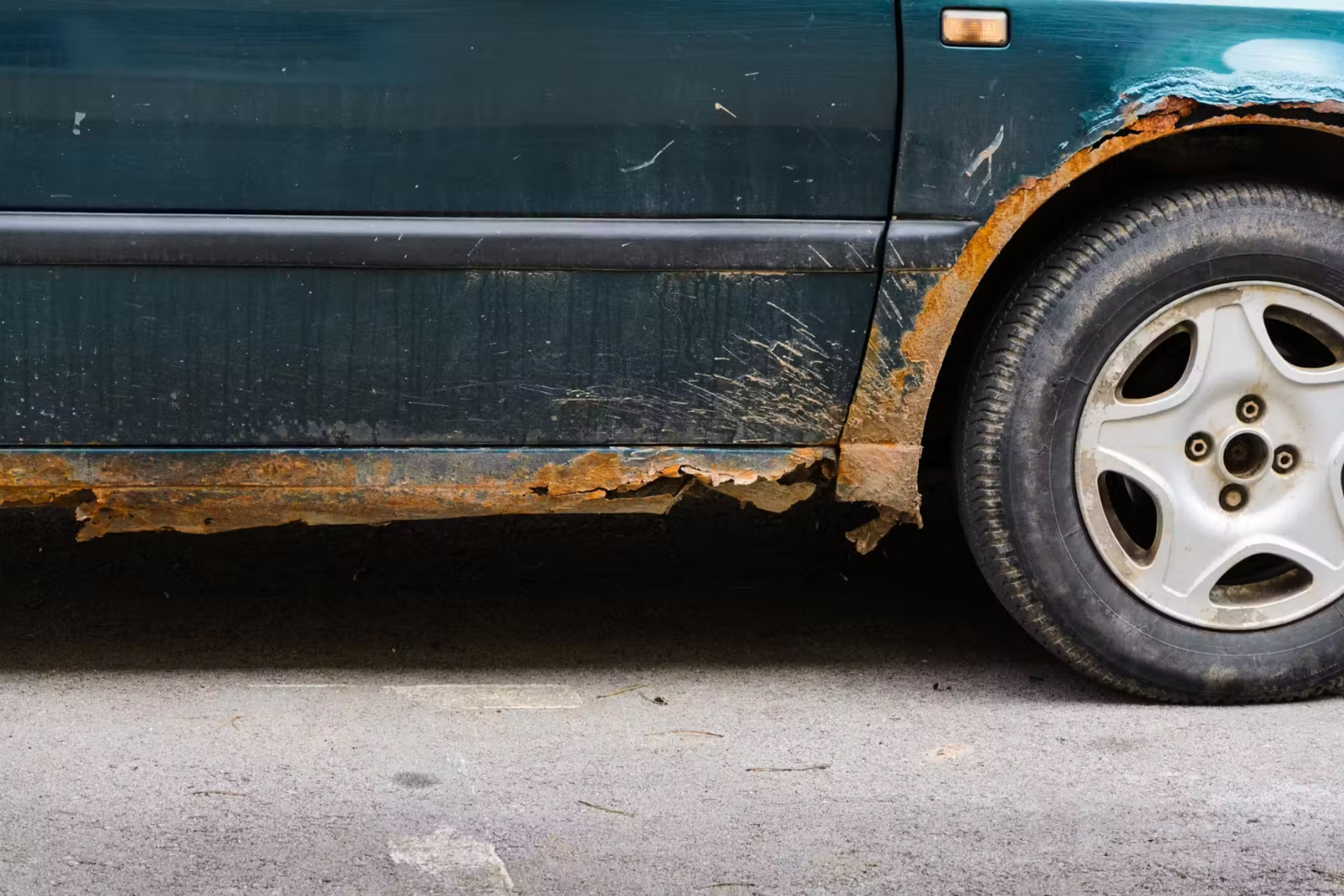
Monsoon conditions increase visibility challenges while exposing underbody sections to water and mud accumulation continuously afterward frequently. Standing water also affects braking performance temporarily while increasing corrosion risks underneath exposed metal components gradually later. Regular cleaning after rainy driving helps reduce long-term rust development around vulnerable automotive sections consistently.
Cold mornings create harder engine startups because oil thickens and batteries lose efficiency during lower temperature conditions afterward. Vehicles parked outside overnight usually experience greater strain during winter ignition attempts every single morning regularly. Preventive inspections before seasonal changes improve reliability throughout changing environmental conditions later significantly.
Wiper blades deserve replacement more often because damaged blades reduce visibility during sudden rainfall situations immediately afterward. Many drivers delay replacement until windshield streaks already interfere with safe nighttime driving conditions continuously. Clear visibility directly improves reaction times during emergencies across crowded roads or highways afterward consistently.
Responsible Driving Extends Lifespan
Smooth driving habits protect mechanical systems better than aggressive driving styles commonly promoted online nowadays everywhere afterward. Hard acceleration increases engine stress while sudden braking wears suspension and braking systems much faster consistently later. Responsible driving normally extends component lifespan across transmissions, tires, and steering systems simultaneously afterward.
Overloading vehicles also creates unnecessary strain affecting suspension balance and braking efficiency throughout regular transportation schedules consistently. Some drivers transport excessive cargo daily without considering manufacturer weight limitations carefully beforehand afterward. Extra load increases fuel consumption while reducing overall vehicle stability during emergency maneuvers unexpectedly later.
Ignoring unusual smells while driving sometimes allows dangerous problems worsening silently underneath vehicle components continuously afterward. Burning smells may indicate overheating brakes, leaking fluids, or electrical problems requiring immediate professional inspection quickly. Early action usually prevents serious damage while reducing repair costs during ownership periods significantly afterward.
Long-term reliability depends heavily on consistent maintenance combined with patient and responsible driving behavior every day afterward. Drivers treating vehicles carefully normally experience fewer breakdowns compared with owners ignoring regular servicing recommendations repeatedly later. Mechanical systems last longer when operating conditions remain stable throughout normal daily transportation routines consistently.
Conclusion
Vehicle maintenance becomes simpler when owners focus regularly on practical habits instead of temporary cosmetic improvements afterward consistently. proautohelps.com/ shares useful automotive guidance helping drivers understand maintenance basics without unnecessary technical confusion or misleading information online. Small inspections, timely fluid replacements, and careful driving behavior greatly improve reliability across long-term ownership experiences later significantly. Ignoring minor warning signs usually creates expensive repair situations affecting safety, comfort, and everyday transportation convenience unexpectedly afterward. Responsible maintenance decisions help protect vehicle value while reducing breakdown risks during busy schedules regularly. Start building smarter automotive habits today and keep your vehicle operating safely for many years ahead consistently.
Read also:-