
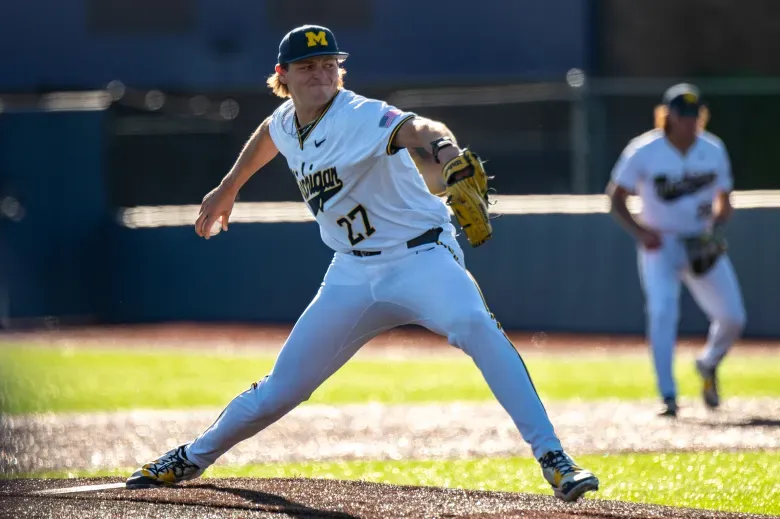
Bullpen Depth is the silent architect of modern baseball victories, often acting as the safety net that catches a team when their starting pitcher falters in the fifth inning. Decades ago, the starting pitcher was expected to finish what he started, often throwing well over a hundred pitches and pacing himself through nine grueling innings. Today, the strategy has flipped entirely, emphasizing high-velocity arms that come in for three or four outs at a time to keep opposing hitters off-balance.
The shift toward a heavy reliance on relief pitching has changed the way general managers build their rosters during the offseason. It is no longer enough to have one elite closer who can shut the door in the ninth inning. In the current landscape, a team needs a wave of arms that can handle high-pressure situations in the sixth, seventh, and eighth innings without a significant drop in quality.
When we look at the most successful franchises over the last decade, the common thread is often found in the late-inning reinforcements. These teams understand that a starter might dominate for two rounds of the batting order, but the “third time through the order” penalty is a very real statistical threat. By having significant Bullpen Depth, a manager can pull a starter before he gets into trouble, maintaining a fresh and lethal look for every new batter.
This tactical evolution has turned the middle innings into a high-stakes chess match where every move is calculated by data and matchup probability. A manager isn’t just looking for a strikeout; they are looking for a specific arm angle or a high spin rate that matches up perfectly against a specific hitter. This level of granularity in game management is only possible when the organization prioritizes its relief corps.
The Tactical Advantages of Building Strong Bullpen Depth
One of the primary advantages of having a deep relief staff is the ability to manage the physical health of the entire pitching staff. Baseball is a marathon, and the traditional workhorse starter is becoming a rare breed because of the immense physical toll the position takes. By spreading the workload across seven or eight reliable relievers, a team can prevent their primary arms from burning out before the postseason even begins.
Furthermore, a deep bullpen allows for more creativity in how a game is started and finished. We have seen the rise of the “opener” strategy, where a reliever starts the game to handle the top of the order before a “bulk” pitcher takes over. This unconventional approach would be impossible without a robust collection of arms ready to take on various roles at a moment’s notice.
The psychological impact on the opposition is another factor that cannot be ignored when discussing elite Bullpen Depth. When a hitting coach looks at the opposing team’s roster and sees four or five guys who can all throw 98 miles per hour with a wipeout slider, it changes how they prepare. The hitters know that they won’t get a chance to see the same pitcher twice, which removes the advantage of adjusting to a pitcher’s rhythm.
Having a versatile group of relievers also means that a manager can play the “lefty-righty” game with much more confidence. If the opponent has a string of left-handed power hitters coming up, a deep pen will likely have multiple left-handed specialists ready to neutralize that threat. This flexibility is what allows a defense to stay one step ahead of the offensive adjustments.
Finding Value in Underappreciated Arms
Scouting for relief talent has become a high-tech endeavor that looks far beyond traditional stats like Earned Run Average. Front offices are now hunting for specific traits—such as vertical break, horizontal movement, and extension—that suggest a pitcher might be more effective in short bursts than over a long start. Many of the league’s best relievers were actually “failed” starters who found a second life in the bullpen.
This career pivot is a common story in professional baseball, where a pitcher who struggled to maintain velocity over six innings suddenly becomes a dominant force when they only have to throw fifteen pitches. By narrowing their focus to one or two elite pitches, these athletes can maximize their output. This process of identifying and converting talent is the bedrock of building sustainable Bullpen Depth.
We often see teams like the Tampa Bay Rays or the Milwaukee Bay Brewers excel at taking discarded pitchers from other organizations and turning them into late-inning monsters. They use advanced video analysis to tweak a grip or a release point, unlocking a level of performance that was hidden under the surface. This ability to “create” relievers from scratch provides a massive competitive and financial advantage.
Trusting the process of player development is essential because the market for elite closers is often overpriced. Instead of spending fifty million dollars on one big-name arm, many smart teams would rather spend that same amount on four or five high-upside players. This diversification of risk ensures that if one pitcher gets injured or loses their form, the entire defensive structure doesn’t collapse.
The Mental Grind of Life in the Pen
Life as a relief pitcher is a unique psychological journey that requires a specific kind of mental toughness. Unlike a starter who knows exactly when they are going to pitch, a reliever lives in a constant state of “ready alert.” They might sit in the bullpen for three days without throwing a pitch, only to be thrust into a bases-loaded, no-out situation in the middle of a rainstorm on the fourth day.
This unpredictability requires a routine that is both flexible and disciplined. Most relievers have a “warm-up” ritual that takes less than five minutes, allowing them to go from sitting on a bench to throwing at maximum effort in the blink of an eye. This rapid transition is physically and mentally taxing, and not every pitcher has the temperament to handle the pressure of the late innings.
Maintaining Bullpen Depth also means managing the egos and emotions of a group of highly competitive individuals. Everyone wants to be the closer, the one who gets the glory and the saves. However, the most successful teams are those where the players buy into their specific roles, understanding that a three-pitch strikeout in the seventh inning is just as valuable as a save in the ninth.
The camaraderie in the bullpen is legendary in baseball culture, often described as a “team within a team.” Because they spend so much time together away from the rest of the dugout, they develop their own shorthand and support systems. This emotional bond is what helps them navigate the inevitable failures that come with the job, ensuring that one bad outing doesn’t turn into a week-long slump.
Economic Value and Roster Construction
From a financial perspective, investing in relief pitching is one of the most efficient ways to build a contender. Starting pitchers command the highest salaries in the sport, often taking up a significant portion of the total payroll. By utilizing a deep bullpen, a team can get high-level production out of younger, cheaper players who are still in their pre-arbitration or early-arbitration years.
This financial flexibility allows the front office to spend more on elite position players or to trade for a star at the deadline. The most successful teams often have a “pipeline” of young arms in the minor leagues ready to step in at any time. This internal depth ensures that they aren’t forced to overpay for veteran relievers who might be on the decline.
Building a roster with significant Bullpen Depth also provides a safety net against the high injury rates associated with pitching. If a starter goes down for a month, a deep pen can handle “bullpen games” where several relievers pitch two innings each. This prevents the team from having to rely on an unproven minor league starter who might not be ready for the big stage.
We are also seeing more teams use “multi-inning” relievers, or “firemen,” who can come into a game in the fifth and pitch through the seventh. These versatile arms are incredibly valuable because they save the rest of the pen from being overused during a long stretch of games without an off day. They are the workhorses of the modern era, filling the gaps that starters leave behind.
The Postseason Intensity and Depth
When the calendar turns to October, the importance of every relief arm is magnified by a thousand percent. In the playoffs, the leash for a starting pitcher becomes incredibly short. If a starter gives up two runs in the first inning, a manager might pull them immediately, trusting their bullpen to carry the remaining eight innings of the game.
This “all hands on deck” mentality is why teams with the most depth often find themselves lifting the trophy at the end of the season. In a short series, a single dominant relief appearance can change the momentum of the entire matchup. Managers look for the “hot hand,” and having more options in the pen gives them a better chance of finding the right pitcher for the right moment.
We often see starters being used in relief roles during the postseason, adding an extra layer of complexity to the staff. However, the core relievers are the ones who provide the consistency. They are the ones who are used to the routine of the bullpen and the pressure of coming into a game with runners on base. This experience is a “force multiplier” when the stakes are at their highest.
During the playoffs, the scouting reports become even more detailed, and the “matchup” game becomes even more intense. A team with limited Bullpen Depth will eventually be exposed, as the opposing hitters will see the same relievers over and over again. A deep pen allows the manager to keep the hitters guessing, never giving them a chance to get comfortable against a specific look.
Analytics and the Future of Relief Pitching
The data revolution has provided relievers with tools that didn’t exist twenty years ago. High-speed cameras like Rapsodo and Hawkeye allow pitchers to see the exact spin axis of their ball, helping them to “tunnel” their pitches effectively. If a fastball and a slider look identical for the first twenty feet of their flight, the hitter has almost no chance of making a successful decision.
This technical mastery has led to a league-wide increase in strikeout rates, as relievers are throwing harder and with more movement than ever before. The “stuff” in a modern bullpen is simply overwhelming. For a hitter, going from a starter with three pitches to a reliever who throws 101 miles per hour is a jarring transition that often leads to a quick out.
As we look to the future, we can expect the search for Bullpen Depth to lead teams into even more specialized territories. We might see more “submariners” or “sidearmers” being brought in specifically to disrupt a hitter’s eye level. Diversity of looks is just as important as the velocity of the pitches, and a well-rounded pen will have a mix of everything.
The use of AI and machine learning will likely play a role in how relievers are utilized in real-time. Imagine a dugout where a computer can predict the probability of a specific reliever’s success against the next three batters based on the current weather, the humidity, and the hitter’s recent exit velocity. This level of precision is the next frontier of the game, and it will only make the relief corps more dominant.
The Integrity of the Game and Reliever Usage
While the strategic benefits are clear, there is an ongoing debate about how the heavy use of relievers affects the “entertainment” value of the game. Some fans miss the days of the legendary complete game, arguing that frequent pitching changes slow down the pace of play. The league has responded with rules like the three-batter minimum to ensure that the game keeps moving.
However, from a purely competitive standpoint, there is no going back to the old ways. The advantages of building significant Bullpen Depth are too great to ignore. Coaches and managers are paid to win, and they will always use the most efficient path to victory. For the foreseeable future, that path goes directly through the gate in the outfield wall where the relievers reside.
The evolution of the relief pitcher is a testament to the sport’s ability to adapt and innovate. It shows a collective commitment to excellence and a refusal to settle for traditional methods when better options are available. The modern bullpen is a marvel of human performance and data science, a collection of specialists who work together to achieve a singular goal.
As you watch the next game, pay attention to the phone in the dugout. When the manager picks it up in the fifth inning, they are calling upon a system that has been built over years of scouting, development, and tactical planning. The person who runs in from the outfield is not just a pitcher; they are the final piece of a championship puzzle, a symbol of the depth and the resilience required to succeed in the highest level of professional baseball.
The story of a long season is written in the late innings, and the pen is the instrument that writes it. Every high-leverage strikeout and every escape from a bases-loaded jam is a tribute to the work done behind the scenes to ensure the team has enough arms to finish the fight. Success in October is never guaranteed, but a deep and talented bullpen is the best insurance policy a team can buy.
Ultimately, the goal of any organization is to create a culture of “next man up” reliability. When the closer is tired or the setup man is injured, the next person in line must be ready to step into the spotlight and perform. This level of preparation is what defines a truly elite staff and what keeps the fans on the edge of their seats until the very last out is recorded.
The game will continue to change, and the roles within the bullpen will likely continue to evolve. But the fundamental need for talented, versatile, and mentally tough relief pitching will always remain. It is the heart of the modern defense, the engine of the late-inning comeback, and the foundation upon which the greatest teams in history are built.
Read also :-
dodgers vs toronto blue jays match player stats
canada men’s national soccer team vs united states men’s national soccer team lineups
toronto blue jays vs dodgers match player stats
golden state warriors vs houston rockets match player stats
los angeles rams vs philadelphia eagles match player stats