


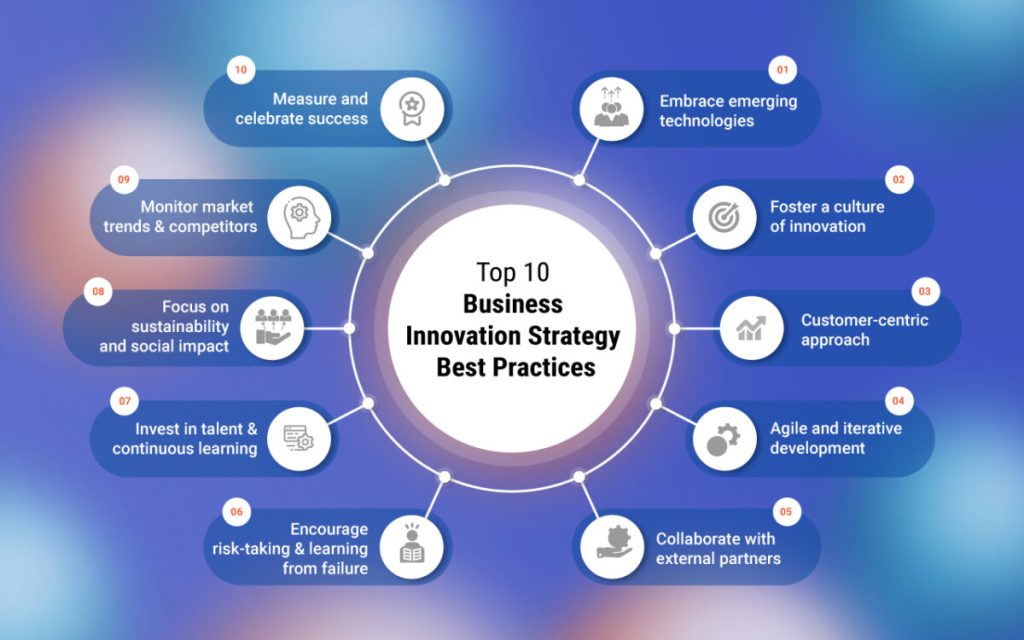
business innovation ideas are the driving force behind companies that don’t just survive but thrive in competitive markets. Whether you run a small startup or manage an established enterprise, the ability to think differently can redefine your success story.
In today’s fast-moving world, businesses can’t rely only on traditional methods. Customer expectations are evolving, technology is advancing, and competition is becoming more intense. Innovation is no longer optional—it’s essential.
Think about the brands you admire most. Chances are, they didn’t reach their position by following the crowd. They introduced new ways of thinking, new solutions, and new experiences that set them apart.
Table of Contents
ToggleWhy Innovation Matters More Than Ever
Innovation is not just about creating something entirely new. It’s about improving existing processes, enhancing customer experiences, and finding smarter ways to solve problems.
Businesses that embrace innovation are better equipped to adapt to change. They can respond quickly to market shifts and seize new opportunities before competitors do.
On the other hand, companies that resist change often struggle to stay relevant. They may lose customers, fall behind in technology, and face declining growth.
The most successful organizations understand that innovation is a continuous process, not a one-time effort.
Understanding Business Innovation Ideas in Practice
At its core, innovation involves identifying gaps and finding creative ways to fill them. This could mean introducing a new product, improving a service, or redesigning internal workflows.
For example, a small retail business might adopt digital payment systems to enhance customer convenience. A service-based company might streamline operations using automation tools.
These changes may seem simple, but they can have a significant impact on efficiency and customer satisfaction.
The key is to stay curious and open to new possibilities. Sometimes, the best ideas come from observing everyday challenges and thinking about how they can be solved differently.
Customer-Centric Innovation
One of the most effective approaches to innovation is focusing on the customer. Understanding their needs, preferences, and pain points can reveal valuable opportunities.
Businesses that listen to their customers and act on feedback often build stronger relationships and loyalty. They create products and services that truly resonate with their audience.
For instance, many companies have improved their offerings by simply paying attention to customer reviews and suggestions. Small adjustments can lead to big improvements in user experience.
This approach ensures that innovation is not just creative but also meaningful and impactful.
Technology as a Catalyst for Innovation
Technology plays a crucial role in modern business innovation. From artificial intelligence to cloud computing, digital tools are transforming how companies operate.
Automation can reduce manual work, improve accuracy, and save time. Data analytics can provide insights into customer behavior and market trends.
Even small businesses can leverage technology to compete with larger organizations. Affordable tools and platforms make it easier to implement innovative solutions without significant investment.
By integrating technology into their operations, businesses can unlock new levels of efficiency and creativity.
Business Innovation Ideas for Growth and Expansion
Growth often requires stepping outside of comfort zones and exploring new opportunities. This is where business innovation ideas become especially valuable.
Expanding into new markets, diversifying product lines, or adopting new business models can open doors to increased revenue and visibility.
For example, a local business might start selling products online to reach a wider audience. A service provider might introduce subscription-based offerings to ensure consistent income.
These strategies not only drive growth but also create resilience against market fluctuations.
The Role of Leadership in Driving Innovation
Leadership plays a critical role in fostering an innovative culture. Leaders who encourage creativity and experimentation create an environment where ideas can flourish.
Employees should feel comfortable sharing their thoughts without fear of failure. Some of the best innovations come from trial and error.
When leaders actively support innovation, they inspire their teams to think beyond limitations and explore new possibilities.
This collaborative approach often leads to more effective and sustainable solutions.
Real-Life Example: Turning Challenges into Opportunities
Consider a small restaurant that faced declining foot traffic during challenging times. Instead of shutting down, the owner decided to innovate.
They introduced online ordering, partnered with delivery platforms, and created meal kits for customers to cook at home.
These changes not only helped the business survive but also opened new revenue streams. Even after normal operations resumed, these innovations continued to generate income.
This story highlights how challenges can become opportunities when approached with the right mindset.
Building a Culture of Continuous Improvement
Innovation is not just about big ideas. It’s also about continuous improvement. Small changes made consistently can lead to significant results over time.
Encouraging employees to identify inefficiencies and suggest improvements can create a culture of ongoing innovation.
Regular training and skill development also play a role in keeping teams updated with the latest trends and technologies.
By focusing on improvement at every level, businesses can maintain momentum and stay ahead of competitors.
Balancing Risk and Reward
Innovation often involves taking risks. Not every idea will succeed, and that’s part of the process.
The key is to manage risks wisely. Testing ideas on a smaller scale before full implementation can help minimize potential losses.
Learning from failures is just as important as celebrating successes. Each experience provides valuable insights that can guide future decisions.
A balanced approach ensures that businesses remain innovative without compromising stability.
Adapting Business Innovation Ideas to Market Trends
Markets are constantly evolving, influenced by factors such as technology, consumer behavior, and economic conditions.
Staying informed about these trends is essential for effective innovation. Businesses that adapt quickly are more likely to maintain a competitive edge.
For example, the growing demand for sustainability has led many companies to adopt eco-friendly practices. This not only benefits the environment but also appeals to conscious consumers.
By aligning innovation with market trends, businesses can create solutions that are both relevant and impactful.
Collaboration and Partnerships
Collaboration can significantly enhance innovation efforts. Partnering with other businesses, startups, or experts can bring fresh perspectives and ideas.
These partnerships can lead to the development of new products, services, or technologies that might not have been possible independently.
Sharing knowledge and resources also reduces the burden of innovation, making it more accessible and efficient.
In today’s interconnected world, collaboration is often a key driver of success.
Measuring the Impact of Innovation
To ensure that innovation efforts are effective, it’s important to measure their impact. This involves tracking performance metrics and evaluating outcomes.
Customer satisfaction, revenue growth, and operational efficiency are some of the indicators that can provide insights into success.
Regular evaluation helps businesses identify what works and what needs improvement. It also ensures that resources are being used effectively.
By focusing on measurable results, companies can refine their business innovation ideas and achieve better outcomes.
The Future of Business Innovation
The future of innovation is closely tied to advancements in technology and changing consumer expectations. Artificial intelligence, automation, and digital transformation will continue to shape the business landscape.
Companies that embrace these changes and invest in innovation will be better positioned for long-term success.
At the same time, human creativity and adaptability will remain essential. Technology can support innovation, but it is the people behind it who bring ideas to life.
The journey of innovation is ongoing, offering endless opportunities for businesses to grow, evolve, and make a lasting impact.
Read also: