
Electric vehicle technology is rapidly changing the way people think about transportation. Just a decade ago, electric cars were considered niche products used mainly by enthusiasts or early adopters. Today, they are becoming a common sight on roads across the world.
Automakers, governments, and consumers are increasingly focusing on sustainable transportation solutions. Electric vehicles represent one of the most promising answers to growing environmental concerns and rising fuel costs.
Beyond their environmental benefits, electric vehicles also offer innovative driving experiences. Smooth acceleration, quiet operation, and advanced digital features are attracting a new generation of drivers.
Understanding how this technology works helps people appreciate why electric vehicles are becoming an important part of the global transportation landscape.
Table of Contents
ToggleThe evolution of electric vehicle technology
The concept of electric vehicles is not entirely new. In fact, electric cars existed long before modern gasoline-powered vehicles dominated the market.
During the late nineteenth century, early electric cars were popular in urban areas because they were quiet and easy to operate. However, gasoline engines eventually became more practical due to longer driving ranges and easier refueling.
For many decades, electric vehicles remained largely forgotten. Advances in battery engineering and environmental awareness eventually brought the concept back into focus.
Today, electric vehicle technology has evolved dramatically, offering improved performance, longer driving ranges, and sophisticated digital systems that were unimaginable in earlier decades.
How electric vehicles work
Electric vehicles operate using electric motors powered by rechargeable battery packs. Instead of burning fuel inside an engine, electricity stored in the battery drives the motor that turns the wheels.
When the driver presses the accelerator pedal, electrical energy flows from the battery to the motor. The motor converts this energy into mechanical motion, propelling the vehicle forward.
Unlike traditional engines with many moving parts, electric motors are relatively simple and efficient.
This simplicity is one of the reasons why electric vehicle technology is considered more energy efficient compared to conventional internal combustion vehicles.
The role of batteries in electric vehicles
The battery is the most critical component of an electric vehicle. Modern electric cars typically use lithium-ion batteries similar to those found in smartphones and laptops, but on a much larger scale.
These batteries store electrical energy and release it gradually as the vehicle moves.
Battery capacity determines how far an electric vehicle can travel on a single charge. As battery technology improves, driving ranges continue to increase.
Researchers and engineers are constantly working to develop more efficient and durable battery systems.
Advancements in electric vehicle technology are largely driven by innovations in battery chemistry and energy storage.
Charging infrastructure and convenience
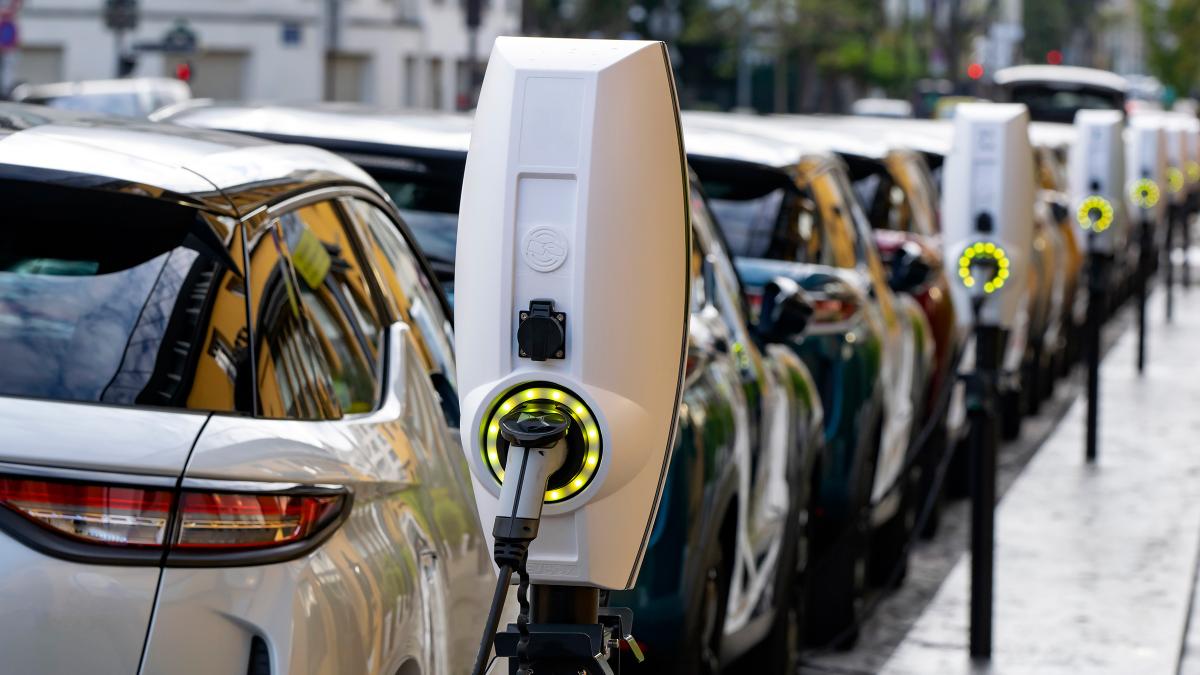
Charging is one of the most important aspects of owning an electric vehicle. Instead of visiting fuel stations, drivers recharge their vehicles using electric power sources.
Charging can take place at home, at workplaces, or at public charging stations located along highways and in urban areas.
Home charging is often the most convenient option, allowing drivers to plug in their vehicles overnight.
Public fast chargers can significantly reduce charging time, making long-distance travel more practical.
As charging networks expand, electric vehicle technology becomes increasingly accessible to everyday drivers.
Environmental benefits of electric vehicles
One of the biggest reasons behind the growing popularity of electric vehicles is their environmental impact.
Traditional gasoline vehicles produce exhaust emissions that contribute to air pollution and climate change. Electric vehicles, on the other hand, produce no tailpipe emissions.
This makes them particularly beneficial in crowded cities where air quality is a major concern.
When electricity is generated from renewable sources such as solar or wind power, the environmental benefits become even greater.
By reducing dependence on fossil fuels, electric vehicle technology plays an important role in building a cleaner and more sustainable transportation system.
Performance advantages of electric vehicles
Many drivers are surprised by the impressive performance of electric vehicles. Electric motors deliver instant torque, which means the vehicle can accelerate quickly from a standstill.
This immediate power response creates a smooth and responsive driving experience.
Electric vehicles are also quieter than traditional cars because they lack noisy combustion engines.
The reduced vibration and noise contribute to a more comfortable ride.
These performance benefits are another reason why electric vehicle technology is attracting attention from both drivers and automotive manufacturers.
Smart features and digital integration
Modern electric vehicles often include advanced digital features that enhance the driving experience.
Large touchscreen displays, navigation systems, and smartphone connectivity allow drivers to monitor battery levels and charging locations easily.
Many electric vehicles also support software updates that can improve performance or add new features over time.
This integration of software and hardware reflects a major shift in automotive design.
As vehicles become more connected and intelligent, electric vehicle technology continues evolving alongside digital innovation.
Challenges facing electric vehicle adoption
Despite the many advantages of electric vehicles, several challenges still exist. Battery production costs remain relatively high, which can increase the purchase price of electric cars.
Charging infrastructure is expanding, but some regions still have limited access to charging stations.
Battery recycling and raw material sourcing are also important environmental considerations.
However, continuous research and investment are helping address these challenges.
As improvements continue, electric vehicle technology is expected to become more affordable and widely available.
Government support and global adoption
Many governments around the world are encouraging the adoption of electric vehicles through incentives and environmental policies.
Tax benefits, subsidies, and infrastructure investments help make electric vehicles more attractive to consumers.
Cities are also introducing stricter emissions regulations that encourage the transition away from gasoline-powered vehicles.
Major automotive manufacturers are investing billions of dollars into developing new electric models.
These combined efforts are accelerating the growth of electric vehicle technology across global markets.
The future of electric mobility
Transportation is undergoing one of the most significant transformations in its history. Electric vehicles are no longer experimental concepts but practical solutions shaping the future of mobility.
As battery efficiency improves and charging networks expand, electric vehicles will become even more convenient for everyday use.
Innovations such as wireless charging, advanced energy storage, and smart grid integration are already being explored.
These developments suggest that electric vehicle technology will continue evolving, redefining how people travel and interact with transportation systems in the years ahead.
Read also: