
Hair growth oil benefits have become a cornerstone in modern hair care routines, offering a natural and effective solution for stronger, healthier hair. I recall a friend who struggled with thinning hair and frequent breakage. After incorporating a nutrient-rich hair oil into her weekly routine, she noticed her hair became thicker, more manageable, and visibly shinier within a few months. This transformation shows how consistent care with the right oils can create impressive results.
In this article, we’ll explore the numerous hair growth oil benefits, the science behind them, how to choose the right oils, and practical tips for maximizing results. Whether you’re dealing with hair fall, slow growth, or dullness, understanding the role of hair oils can transform your hair care regimen.
Understanding Hair Growth Oil Benefits
The primary hair growth oil benefits include nourishing the scalp, strengthening hair roots, and improving overall hair texture. Oils penetrate the scalp, delivering essential vitamins, minerals, and fatty acids directly to hair follicles.
Regular use can stimulate circulation, reduce hair breakage, and maintain scalp hydration. My friend noticed that her scalp felt healthier and less itchy after consistent application, highlighting the moisturizing and restorative effects of quality hair oils.
Boosting Hair Strength and Reducing Breakage
One of the most sought-after hair growth oil benefits is strengthened hair that resists breakage. Oils such as argan, coconut, and castor oil coat hair strands, forming a protective layer against environmental stressors.
This protective effect reduces split ends, prevents tangling, and supports long-term hair growth. Individuals with fragile hair, like my cousin, have seen remarkable improvement in hair strength by integrating weekly oil treatments into their routine.
Enhancing Hair Shine and Texture
Shiny, smooth hair is another key hair growth oil benefit. Oils seal in moisture, enhance natural luster, and reduce frizz. Regular application can turn dull, lifeless strands into glossy, vibrant hair.
A stylist client shared that after three months of applying hair oil twice a week, her hair not only grew longer but also became noticeably shinier and softer. This transformation demonstrates that aesthetic improvements often accompany structural benefits.
Scalp Health and Nourishment
Healthy hair starts with a nourished scalp, making this one of the most important hair growth oil benefits. Oils rich in vitamins E, D, and essential fatty acids help reduce dryness, dandruff, and inflammation.
Massaging oil into the scalp also improves blood circulation, ensuring that hair follicles receive adequate nutrients. For example, one patient who struggled with a dry, flaky scalp found relief and better hair growth after incorporating scalp massages with a blend of rosemary and coconut oil.
Stimulating Hair Growth Naturally
Many hair oils contain ingredients that directly stimulate follicle activity. Castor oil, for instance, is rich in ricinoleic acid, which enhances blood flow to hair roots. Essential oils like peppermint and rosemary promote follicle stimulation and encourage hair regrowth.
A friend recovering from post-pregnancy hair thinning saw regrowth within a few months by applying a blend of these oils. This illustrates that targeted oil treatments can address specific hair growth concerns effectively.
Reducing Hair Fall and Shedding
Consistent oil application can reduce hair fall by strengthening the hair shaft and minimizing follicle damage. Nourished follicles are less likely to shed prematurely, which is one of the most noticeable hair growth oil benefits.
For instance, a patient experiencing seasonal hair loss reported significant reduction in shedding after weekly massages with almond oil and vitamin E-enriched hair oils. This demonstrates that preventative care can reduce hair loss and improve density.
Deep Conditioning and Repair
Hair oils act as natural deep conditioners, restoring moisture and repairing damage from heat, chemical treatments, or environmental factors. Regular use improves elasticity and prevents brittleness.
A friend who frequently used heat styling tools incorporated hair oil treatments into her routine and noticed reduced split ends and softer hair texture over time. This highlights the restorative role of oils in daily hair care.
Anti-Aging and Hair Preservation
As we age, hair can thin and lose pigmentation. Certain oils, like argan and amla oil, are rich in antioxidants that combat oxidative stress and slow down hair aging. This is a lesser-known yet powerful hair growth oil benefit.
Incorporating antioxidant-rich oils into weekly routines preserves hair quality, promotes resilience, and can even support natural color retention, helping maintain youthful-looking hair.
Stress Relief and Hair Health
Hair health is closely tied to overall wellness. Massaging oils into the scalp provides relaxation, reduces stress, and indirectly supports hair growth. Stress is a common cause of hair loss, so managing it is crucial.
A friend experiencing work-related hair thinning found that daily scalp massages with lavender-infused oil helped her feel calmer and reduced her hair fall. This demonstrates the holistic benefits of incorporating hair oils into routines.
Choosing the Right Oils
Selecting the right oil depends on hair type and concerns. Coconut oil is excellent for deep hydration and protein retention. Argan oil provides shine and nourishment for dry or frizzy hair. Castor oil promotes growth and strengthens follicles.
Blending oils allows for a customized approach, maximizing the hair growth oil benefits for your individual hair needs. Experimenting with small amounts and observing results is key to finding the optimal combination.
How to Apply Hair Oils Effectively
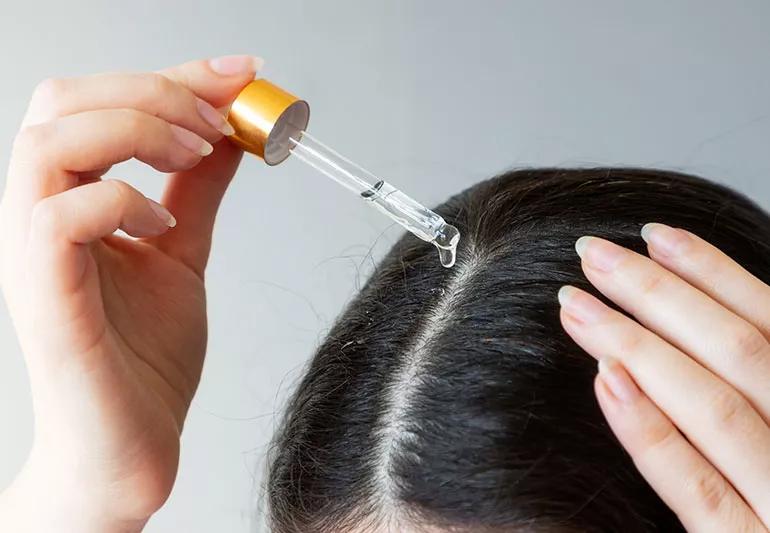
Proper application enhances the effectiveness of hair growth oil benefits. Warm the oil slightly before use, massage it gently into the scalp, and allow it to penetrate for at least 30 minutes. Overnight treatments can offer deeper conditioning.
After oiling, use a gentle shampoo to cleanse without stripping natural oils. Regular practice, rather than occasional application, ensures maximum benefit. Consistency is the foundation of visible results.
Integrating Hair Oils into a Hair Care Routine
Hair oils can complement shampoos, conditioners, and hair masks, creating a holistic routine. Use lighter oils for daily protection and heavier oils for weekly deep treatments.
For example, a client alternated coconut oil for deep conditioning and argan oil for daily shine. This approach optimizes the hair growth oil benefits, addressing multiple concerns simultaneously, including hydration, growth, and repair.
Combating Hair Issues with Targeted Oils
Specific hair concerns can be addressed with particular oils. Dry scalp responds well to jojoba or almond oil. Thinning hair benefits from castor or rosemary oil. Damaged strands respond to argan or avocado oil.
Targeted application ensures that each hair growth oil benefit is leveraged for maximum effect, addressing individual hair needs efficiently.
Real-Life Transformations
Many people report life-changing results from regular hair oil use. One patient recovering from chemotherapy-related hair thinning regained volume and strength with weekly oil treatments.
Another individual battling dry, brittle hair found that her hair grew faster, became smoother, and looked shinier after three months of consistent oiling. These stories emphasize the tangible benefits of dedicated care and highlight the versatility of hair growth oil benefits.
Hair Growth Oils and Scalp Massage Techniques
Combining oils with scalp massage increases absorption, stimulates follicles, and improves circulation. Circular motions from the front to the back of the scalp for 5-10 minutes daily enhance results.
Integrating essential oils like rosemary or peppermint into the massage boosts follicular stimulation and provides aromatherapy benefits. This simple technique enhances the overall hair growth oil benefits by maximizing nutrient delivery to hair roots.
Addressing Common Myths
There are myths surrounding hair oils, such as “oils make hair greasy” or “oils can’t penetrate the scalp.” Proper selection and application prove these misconceptions wrong. Lightweight oils absorb quickly, while massage improves penetration, ensuring effective results.
Understanding the science behind hair growth oil benefits allows individuals to approach hair care with realistic expectations and achieve measurable improvements.
Hair Oils for Long-Term Hair Health
The true value of hair oils lies in long-term maintenance. Regular use improves hair resilience, reduces damage, and promotes sustainable growth.
Incorporating oil treatments alongside a healthy diet, hydration, and minimal heat styling ensures that hair growth oil benefits are maximized, giving you stronger, shinier, and healthier hair over time.
Combining Oils with Lifestyle Practices
Optimal hair health combines external care with lifestyle practices. Adequate sleep, balanced nutrition, and stress management complement hair oil treatments.
A holistic approach ensures that each hair growth oil benefit is reinforced, providing stronger, more vibrant hair that reflects overall wellness.
Read also: