
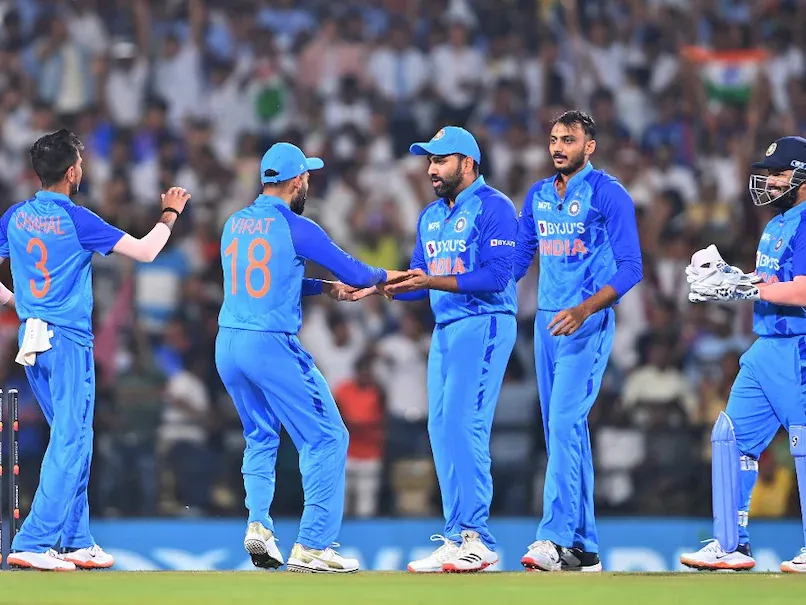
ICC T20 rankings team comparison provides an exciting lens through which cricket fans and analysts assess the current form and balance of international T20 teams. Every series, tournament, or bilateral match can influence rankings, but understanding the metrics behind these numbers offers deeper insights into team strengths, weaknesses, and strategies.
In the high-paced world of T20 cricket, rankings are not just numbers—they reflect the ability of teams to adapt, execute plans under pressure, and leverage individual brilliance to achieve victories. This analysis explores the top teams, their key performers, and how they fare against one another in the evolving landscape of T20 cricket.
Why ICC T20 Rankings Matter
The ICC T20 rankings team comparison is more than a list; it is a performance snapshot that influences scheduling, tournament seeding, and even player motivation. Rankings consider wins, losses, opposition strength, and match context, offering a holistic view of a team’s T20 competency.
For fans, it provides a way to gauge how competitive upcoming series might be. Analysts rely on it to predict match outcomes and player performances. For teams, rankings guide strategic decisions such as squad rotation, captaincy choices, and batting orders in crunch situations.
Top Contenders in the ICC T20 Rankings
Traditionally, teams like India, England, Pakistan, and Australia have dominated T20 cricket, consistently occupying top spots in the ICC T20 rankings team comparison. India’s blend of explosive hitters and versatile bowlers has been a game-changer in the powerplay and death overs. England’s aggressive approach, fueled by high strike rates and innovative shot-making, makes them a formidable opponent in any condition.
Pakistan’s unpredictability, often stemming from brilliant bowling and clutch performances, adds spice to their T20 journey. Australia balances aggression with consistency, leveraging power hitters and experienced finishers to chase or set challenging totals. These teams exemplify how rankings reflect not just results, but underlying cricketing philosophies.
Batting Analysis Across Teams
One critical aspect of the ICC T20 rankings team comparison is batting strength. Teams with top-order stability, versatile middle-order options, and powerful finishers often perform consistently.
India, for instance, relies on a combination of technical precision and explosive talent. Players like Shubman Gill and Ruturaj Gaikwad anchor innings while middle-order stars like Hardik Pandya accelerate scoring in crunch overs. England’s batsmen, on the other hand, prioritize strike rate over consistency, often taking calculated risks to maximize momentum.
Observing these patterns in the rankings gives a clear picture of why some teams dominate certain conditions while others excel under pressure. A team with balanced batting depth tends to maintain ranking stability over time.
Bowling Prowess and Impact on Rankings
Bowling strength heavily influences the ICC T20 rankings team comparison. In T20 cricket, bowlers who can control runs in the powerplay and death overs significantly impact match outcomes.
Pakistan’s pace attack often surprises top teams with speed and swing, while India’s spinners exploit conditions to choke scoring in middle overs. England mixes pace and variation, using clever yorkers and slower balls to disrupt rhythm. Teams that combine disciplined bowling with wicket-taking ability tend to maintain higher rankings, highlighting the correlation between bowling efficiency and overall T20 success.
Fielding and Tactical Intelligence
Fielding often becomes the hidden differentiator in tight T20 matches, influencing the ICC T20 rankings team comparison. Teams that save runs, create run-out opportunities, and maintain energy in the field gain subtle but crucial advantages.
Australia’s athletic fielders often turn matches around with spectacular catches and quick ground coverage. India’s improvement in fielding standards has helped them close out tight games. England emphasizes anticipation and positioning, often leveraging fielding to complement their aggressive bowling strategy. In T20 cricket, small margins determine rankings, and fielding excellence plays a significant role in sustaining team performance.
Head-to-Head Performances in the Rankings
The ICC T20 rankings team comparison also reflects how teams perform against each other historically. India and Pakistan matches often influence the global rankings due to the intensity and high stakes. Similarly, England versus Australia or South Africa encounters provide insights into team strengths under pressure.
Analyzing head-to-head data helps predict tournament outcomes. Teams consistently winning against top-ranked opponents often enjoy a higher ranking, even if they occasionally falter against lower-ranked teams. This pattern emphasizes that T20 rankings reward both consistency and high-impact performances.
Key Players Shaping the Rankings
Individual brilliance drives team rankings. Players like Babar Azam for Pakistan, Jos Buttler for England, Virat Kohli for India, and David Warner for Australia significantly influence their respective teams’ positions in the ICC T20 rankings team comparison.
Batsmen who can anchor innings while maintaining strike rate stability provide a dual advantage. Bowlers who deliver under pressure, especially in powerplays and death overs, often decide crucial matches that determine ranking points. The rankings reflect a combination of team depth and match-winning capabilities of star performers.
Form and Momentum: Why Rankings Fluctuate
T20 cricket is inherently volatile, and the ICC T20 rankings team comparison reflects this. Teams may rise or fall based on short series outcomes, player form, injuries, and adaptability to conditions.
A single successful World Cup campaign can elevate a team dramatically, while unexpected losses to lower-ranked opponents can cause dips. Momentum, player fitness, and strategic execution influence rankings as much as raw talent. For fans and analysts, tracking these fluctuations provides fascinating insights into team dynamics.
Impact of Tournament Structures
Tournament structures also affect the ICC T20 rankings team comparison. Multi-nation tournaments like the T20 World Cup weigh wins against higher-ranked opponents more heavily, impacting team points and seeding for future events. Bilateral series often offer fewer points but test adaptability across different conditions.
Teams must balance squad rotation, workload management, and strategic deployment to maintain consistency in rankings. This approach demonstrates how management decisions off the field are just as critical as performances on the field in sustaining top rankings.
Emerging Teams and Rankings Surprises
Not all surprises in the ICC T20 rankings team comparison come from traditional cricket powerhouses. Teams like Afghanistan, Sri Lanka, and Bangladesh have shown remarkable growth. Afghanistan’s spinners and dynamic batting line-up have disrupted top teams in recent tournaments. Bangladesh’s improved T20 strategy, with smart field placements and adaptable bowling, has helped them climb steadily.
These emerging teams highlight that rankings are dynamic, reflecting growth, innovation, and tactical evolution rather than historical reputation alone. Fans enjoy watching these underdogs challenge established giants, making T20 cricket more unpredictable and thrilling.
Strategic Insights from Rankings Comparison
The ICC T20 rankings team comparison allows teams to identify gaps and strategize effectively. For example, a team struggling in death overs may invest in training specialist finishers. Teams with high-ranked batsmen but weak bowling may recruit impactful all-rounders.
By analyzing rankings trends, teams can predict challenges, allocate resources, and prepare contingency plans. This strategic lens ensures that rankings are not just numbers but actionable insights shaping T20 cricket globally.
Global Influence and Player Marketability
High rankings also influence player marketability. Top-ranked teams attract sponsorships, endorsements, and global attention. Players from these teams enjoy higher visibility in leagues worldwide, enhancing their careers and influencing league drafts.
The ICC T20 rankings team comparison is, therefore, more than a performance metric—it impacts cricket economics, fan engagement, and career trajectories of individual players, underlining the importance of consistent team performance on and off the field.
Read also:
bangladesh national cricket team vs zimbabwe national cricket team matches
south africa women’s national cricket team vs australia women’s national cricket team stats
afghanistan national cricket team vs zimbabwe national cricket team timeline
sri lanka national cricket team vs pakistan national cricket team match scorecard
mi emirates vs sharjah warriors stats