
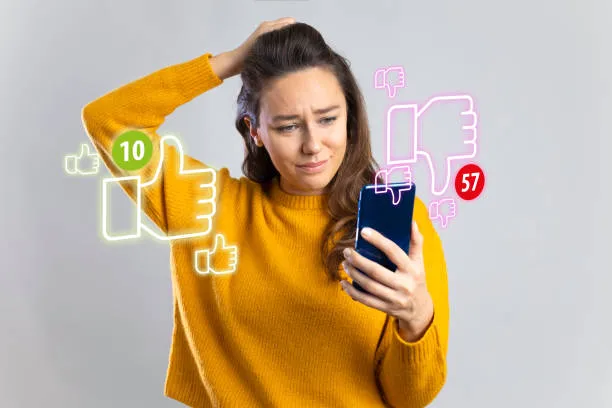
Influencer social media chaos has become one of the most talked‑about aspects of digital culture, pulling millions into heated debates, viral hashtags, and endless scrolling. Whether it’s a feud between TikTok stars, a controversial Instagram post, or a YouTube apology video, chaos dominates timelines and redefines how audiences engage with influencers.
The fascination lies in unpredictability. One day, an influencer is celebrated for their creativity, and the next, they’re caught in a storm of exposure that sparks headlines and trending topics worldwide. These stories aren’t just gossip—they’re cultural phenomena that reveal how online fame can shift in an instant.
The Rise of Influencer Social Media Chaos
The internet thrives on immediacy, and influencer social media chaos is proof of that. From petty disagreements to full‑blown controversies, chaos spreads faster than any planned campaign. Audiences are drawn to raw emotions, behind‑the‑scenes revelations, and the sense of being part of a digital soap opera unfolding in real time.
Creators like James Charles, Trisha Paytas, and Tati Westbrook have all experienced how chaos can skyrocket engagement. Their feuds weren’t just personal—they became global conversations, proving that chaos is as much a part of influencer culture as creativity itself.
Why Influencer Social Media Chaos Matters
Chaos isn’t just entertainment—it’s influence. When influencers clash or misstep, audiences pick sides, hashtags trend, and brands often step in or step away. A single chaotic moment can boost follower counts, tank reputations, or even reshape entire industries.
For example, when Logan Paul faced backlash for his controversial video, it sparked discussions about responsibility, ethics, and the boundaries of online fame. That moment wasn’t just chaos—it was a turning point in how platforms handle accountability.
Storytelling Through Chaos
Every chaotic moment tells a story. Take the infamous feud between beauty influencers Jeffree Star and James Charles. What started as subtle shade escalated into public callouts, apology videos, and millions of views. Audiences weren’t just watching—they were emotionally invested, dissecting every tweet and video for clues.
This storytelling aspect makes chaos addictive. It’s not just about the conflict—it’s about the narrative arc, the rise, the fall, and sometimes, the redemption.
The Dark Side of Influencer Social Media Chaos
Not all chaos benefits influencers. Some face severe backlash, mental health struggles, or even career‑ending consequences. Cancel culture often emerges from influencer social media chaos, leaving creators with little room for mistakes.
The internet’s memory is unforgiving. Once chaos goes viral, it’s nearly impossible to erase. This makes chaos both a powerful tool and a dangerous trap for influencers navigating fame.
How Influencer Social Media Chaos Shapes Trends
Chaos often sparks trends. A feud can inspire memes, reaction videos, and even merchandise. Entire communities form around analyzing and discussing influencer conflicts. Platforms like TikTok and Twitter thrive on these moments, amplifying them until they dominate global conversations.
For instance, Addison Rae vs. Charli D’Amelio comparisons fueled endless debates, shaping how audiences view TikTok fame. Chaos doesn’t just entertain—it sets the tone for digital culture.
Lessons from Influencer Social Media Chaos
For aspiring creators, studying influencer social media chaos offers valuable lessons. Transparency matters. Authenticity resonates. And accountability is non‑negotiable. Chaos shows how quickly audiences can turn, reminding influencers to balance relatability with responsibility.
Creators who learn from these moments often emerge stronger, building loyal communities that value honesty over perfection.
The Future of Influencer Social Media Chaos
As platforms evolve, so will chaos. Live streams, short‑form videos, and AI‑driven content are already reshaping how conflicts play out. Tomorrow’s chaos may unfold in ways we can’t yet imagine, but one thing is certain—it will continue to captivate audiences.
The human desire for connection, conflict, and resolution ensures that chaos will remain a cornerstone of influencer culture.
Real-Life Examples That Changed the Game
When Shane Dawson faced backlash for past content, it wasn’t just scandal—it was a cultural reckoning. Similarly, PewDiePie’s controversies sparked global debates about free speech and responsibility. These examples show how chaos transcends platforms, influencing conversations far beyond the digital space.
Audiences don’t just consume chaos—they participate in it, shaping narratives through comments, shares, and reactions.
The Psychology Behind Chaos
Why does chaos spread so quickly? Psychology offers answers. Conflict triggers emotions like anger, curiosity, and empathy. These emotions drive engagement, making chaos irresistible.
Influencers who understand these dynamics can navigate chaos more effectively, turning conflicts into opportunities for growth rather than downfall.
Navigating Fame After Chaos
Surviving chaos requires resilience. Some influencers fade under pressure, while others reinvent themselves. Apology videos, rebranding, and transparency often play key roles in recovery.
Those who adapt, engage authentically, and rebuild trust often transform fleeting chaos into lasting influence.
Final Word on Influencer Social Media Chaos
Influencer social media chaos is more than gossip—it’s a cultural force. It shapes industries, sparks debates, and reminds us of the internet’s power to amplify voices. Whether uplifting or destructive, these chaotic moments leave a lasting imprint on digital history.