
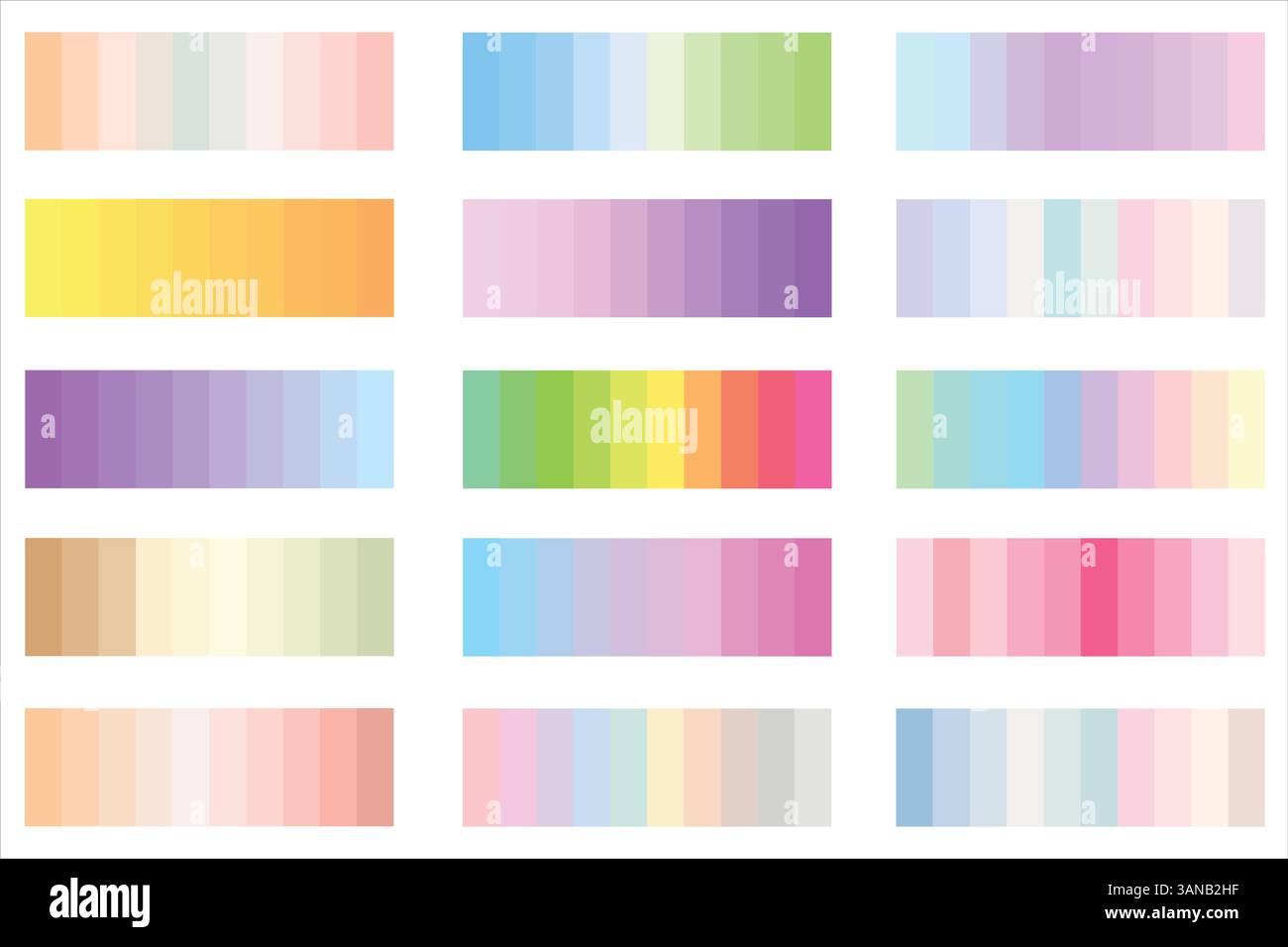
pastel color palettes have a unique ability to transform any space or design into something soft, soothing, and visually appealing. Unlike bold or vibrant tones, pastels create a gentle atmosphere that feels both modern and timeless.
Think about walking into a room filled with soft pinks, light blues, and muted greens. There’s an instant sense of calm. This is the magic of pastels—they don’t demand attention, but they leave a lasting impression.
Table of Contents
ToggleWhy pastel color palettes are trending everywhere
In recent years, pastels have made a strong comeback in design, fashion, and digital content. Their versatility makes them suitable for a wide range of applications.
When people explore pastel color palettes, they are often drawn to their calming effect. These colors reduce visual stress and create a relaxing environment.
Another reason for their popularity is their adaptability. Pastels can be used in minimalist designs, vintage themes, or even modern aesthetics without losing their charm.
Understanding what makes pastel colors unique
Pastel colors are essentially softer versions of primary and secondary colors. They are created by adding white, which reduces intensity and creates a lighter tone.
This softness is what makes them so appealing. They are easy on the eyes and work well together without overwhelming the viewer.
When working with pastel color palettes, understanding this balance helps you create harmonious designs that feel natural and inviting.
pastel color palettes in home interior design
One of the most popular uses of pastels is in home interiors. These colors can completely change the mood of a space.
Soft shades of lavender, mint green, and blush pink are often used in bedrooms to create a peaceful environment. Living rooms benefit from light neutrals combined with pastel accents.
Using pastel color palettes in interiors allows homeowners to create spaces that feel open, fresh, and welcoming without being too bold.
How pastel colors influence mood and emotions
Colors have a powerful impact on how we feel, and pastels are known for their calming properties.
Light blues can evoke a sense of tranquility, while soft yellows bring warmth and positivity. Pastel greens often symbolize growth and harmony.
When incorporating pastel color palettes, you’re not just choosing colors—you’re shaping the emotional experience of a space or design.
pastel color palettes in fashion and style
Fashion trends often reflect broader design movements, and pastels are no exception. From clothing to accessories, these colors are everywhere.
Soft pastel outfits are especially popular during spring and summer. They create a fresh and elegant look that feels effortless.
Exploring pastel color palettes in fashion allows individuals to express their style in a subtle yet impactful way.
Creating balanced designs with pastel tones
One of the challenges with pastels is maintaining balance. Too many soft colors can sometimes feel washed out if not used correctly.
Combining pastels with neutral tones like white, beige, or light gray helps create contrast and depth. Adding small darker elements can also enhance the overall design.
Working with pastel color palettes requires a thoughtful approach to ensure that the final result feels cohesive and visually appealing.
Real-life inspiration: A creative transformation
A small café owner once decided to redesign her space to attract more customers. Initially, the café had dark colors that made it feel cramped.
After switching to soft pastel tones, the entire atmosphere changed. Customers described the space as relaxing and Instagram-worthy.
This example shows how pastel color palettes can transform not just aesthetics but also the overall experience of a place.
Using pastel colors in digital design
Pastels are widely used in websites, social media graphics, and branding. Their soft appearance makes content more approachable and engaging.
Many modern brands use pastel backgrounds to create a clean and friendly look. These colors work well with minimalistic layouts.
When designing with pastel color palettes, readability and contrast should always be considered to ensure a user-friendly experience.
Mixing pastel shades creatively
Mixing pastels can be both fun and challenging. The key is to choose colors that complement each other.
For example, pairing soft pink with mint green creates a refreshing combination. Lavender and pale yellow can add a touch of elegance.
Exploring pastel color palettes through experimentation helps you discover unique combinations that suit your style.
Seasonal appeal of pastel colors
Pastels are often associated with certain seasons, particularly spring. However, they can be adapted for use throughout the year.
In summer, they create a light and airy feel. In winter, pairing pastels with deeper tones can add warmth and contrast.
Using pastel color palettes seasonally allows you to keep your designs fresh and relevant.
Common mistakes to avoid with pastel colors
While pastels are easy to work with, there are some common pitfalls to avoid.
Using too many similar shades can make a design look flat. Lack of contrast can also reduce visual impact.
When working with pastel color palettes, adding texture or subtle variations can enhance depth and interest.
Tools and resources for creating pastel palettes
Creating the perfect palette doesn’t have to be difficult. There are many tools available that help generate color combinations.
Design software and online palette generators allow you to experiment with different shades and see how they work together.
Using these tools alongside pastel color palettes can make the design process more efficient and enjoyable.
The psychology behind soft color choices
Pastels are often chosen for their emotional impact. They create a sense of comfort and familiarity that resonates with people.
This is why they are commonly used in spaces meant for relaxation, such as bedrooms, nurseries, and wellness centers.
Understanding the psychology behind pastel color palettes helps you use them more effectively in different contexts.
Future trends in pastel color usage
As design trends evolve, pastels continue to adapt. New combinations and styles are emerging, blending traditional softness with modern elements.
Muted pastels combined with bold accents are becoming increasingly popular. This approach creates a balance between subtlety and vibrancy.
The future of pastel color palettes lies in innovation, where creativity meets functionality to produce stunning results.
Bringing pastel colors into everyday life
Incorporating pastels into daily life doesn’t require a complete makeover. Small changes can make a big difference.
From home décor to clothing and digital content, these colors can be introduced gradually. Over time, they create a cohesive and calming environment.
By embracing pastel color palettes, you can add a touch of elegance and tranquility to every aspect of your life while keeping your style fresh and inviting.
Read also:
3474915137
9295022100
hulk coloring pages
kuromi coloring
8669855503