


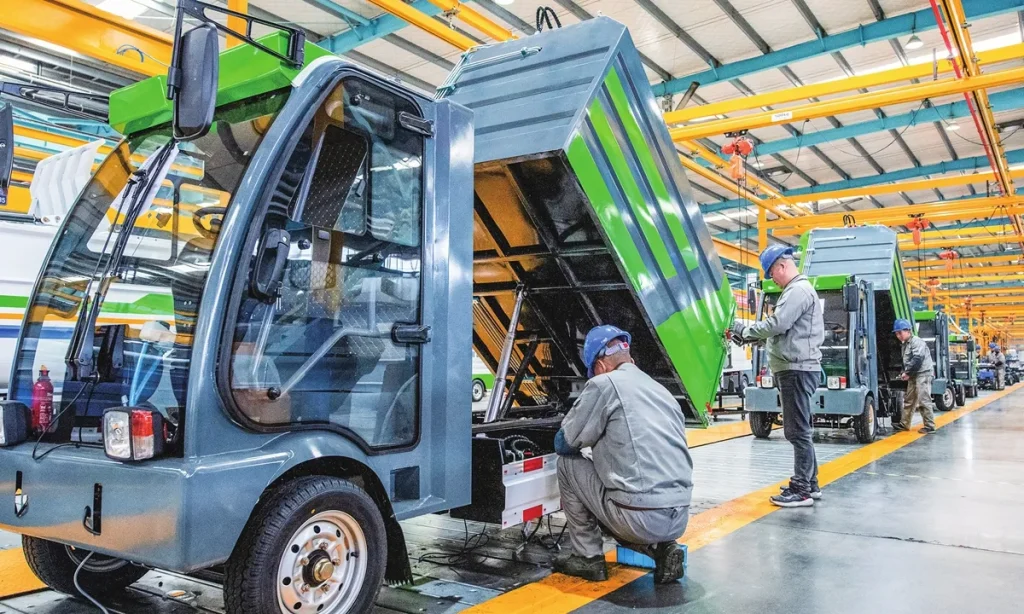
Vehicle Emission Standards are reshaping the global automotive industry as governments push for cleaner air and lower carbon footprints. Whether you’re driving through a busy metro city or cruising along a highway, the air quality around you is directly influenced by how strictly these regulations are enforced.
For decades, vehicle exhaust fumes were considered an unavoidable part of modern transportation. Thick smoke from diesel engines and smog-filled city skylines were common sights. Today, stricter environmental policies are steadily transforming that reality.
Behind every new car model lies a complex web of regulatory benchmarks designed to limit harmful pollutants. Understanding these standards isn’t just important for manufacturers—it matters to everyday drivers as well.
Table of Contents
ToggleWhat Are Vehicle Emission Standards?
At their core, Vehicle Emission Standards are legal requirements that limit the amount of pollutants a vehicle can release into the atmosphere. These pollutants typically include carbon monoxide, nitrogen oxides, hydrocarbons, particulate matter, and carbon dioxide.
Governments set these limits to reduce air pollution, protect public health, and combat climate change. Automakers must design engines and exhaust systems that comply with these rules before vehicles can be sold.
The standards are periodically tightened as technology improves. This continuous progression pushes manufacturers toward cleaner innovation.
Over time, emission benchmarks have evolved from basic smoke control to highly sophisticated, technology-driven monitoring systems.
Why Vehicle Emission Standards Matter for Public Health
Air pollution is not just an environmental issue—it’s a serious health concern. Pollutants from vehicle exhaust can contribute to respiratory diseases, cardiovascular problems, and other chronic conditions.
When cities enforce strict emission laws, residents often notice clearer skies and improved air quality. Studies conducted by organizations like the World Health Organization highlight the direct link between vehicle emissions and public health risks.
Cleaner vehicles mean fewer toxic particles in the air. That translates to healthier communities, especially in densely populated urban areas.
For families living near highways or industrial zones, strong emission controls can make a significant difference in daily life.
The Evolution of Vehicle Emission Standards Over Time
The history of emission regulation reflects growing environmental awareness. In the mid-20th century, smog crises in major cities prompted governments to act.
In the United States, the Environmental Protection Agency introduced stricter automotive emission rules under the Clean Air Act. These regulations forced manufacturers to adopt catalytic converters and cleaner fuel systems.
Europe followed with progressively stricter “Euro” standards, setting clear benchmarks for pollutants in passenger vehicles. Countries such as Germany became leaders in implementing advanced emission technologies.
Asia also introduced rigorous norms, with India implementing Bharat Stage standards aligned closely with European regulations.
Each iteration reduced permissible emission limits, encouraging technological innovation across the industry.
How Vehicle Emission Standards Influence Car Design
Modern vehicles are engineered with emission compliance at the forefront.
Advanced catalytic converters neutralize harmful gases before they exit the exhaust pipe. Diesel particulate filters capture soot particles. Exhaust gas recirculation systems reduce nitrogen oxide formation.
Hybrid and electric vehicles have gained momentum partly due to tightening Vehicle Emission Standards. Automakers increasingly invest in electrification to meet regulatory targets.
Even internal combustion engines have become far cleaner and more efficient compared to their predecessors from decades ago.
The impact of these regulations extends beyond tailpipes—it shapes the entire automotive innovation ecosystem.
Global Differences in Vehicle Emission Standards
While the goal of reducing pollution is universal, regulatory approaches differ across regions.
In the European Union, emission regulations are known as Euro standards, with Euro 6 being among the strictest for conventional vehicles. Oversight comes from institutions like the European Commission.
In the United States, federal guidelines are complemented by stricter state-level rules in places like California, where air quality initiatives are particularly aggressive.
China has introduced its own China VI standards, reflecting the country’s efforts to combat urban pollution.
These regional differences can influence where automakers prioritize certain technologies and market strategies.
Vehicle Emission Standards and the Rise of Electric Vehicles
One of the most significant outcomes of tightening regulations is the rapid growth of electric vehicles.
Since battery-electric cars produce zero tailpipe emissions, they help manufacturers offset emissions from gasoline-powered fleets. Companies such as Tesla have benefited from this regulatory shift.
Governments often provide incentives for EV adoption, aligning policy with environmental objectives.
As Vehicle Emission Standards become stricter, the transition toward electrification accelerates.
This shift is reshaping infrastructure, supply chains, and even urban planning.
Real-Life Example: Cleaner Air in Urban Centers
Consider a city that once struggled with severe smog. Traffic congestion combined with outdated engines created persistent pollution.
After implementing stricter Vehicle Emission Standards, older vehicles were gradually phased out. Cleaner fuel technologies and hybrid models replaced them.
Within a few years, air quality improved noticeably. Residents reported fewer respiratory issues, and public health metrics reflected positive change.
This transformation demonstrates how policy, enforcement, and innovation can work together to produce tangible environmental benefits.
Economic Impact on Manufacturers and Consumers
Stricter regulations inevitably increase production costs. Automakers must invest in research, testing, and compliance certification.
These costs may influence vehicle pricing. However, cleaner engines often deliver improved fuel efficiency, offsetting expenses over time.
For manufacturers, failing to comply can result in significant fines and reputational damage. The automotive industry learned hard lessons from regulatory scandals that underscored the importance of transparency.
Consumers, meanwhile, benefit from improved performance and reduced environmental impact.
Testing and Certification Processes
Compliance with emission regulations involves rigorous laboratory and real-world testing.
Vehicles undergo controlled emissions testing cycles to measure pollutant output. Portable emissions measurement systems allow regulators to assess real-driving emissions outside laboratory settings.
Independent agencies and environmental watchdog groups monitor adherence to ensure accountability.
Accurate testing procedures strengthen public trust in regulatory systems.
The Role of Renewable Fuels and Alternative Technologies
Beyond electrification, alternative fuels are gaining attention.
Hydrogen fuel cell vehicles emit only water vapor, aligning with strict emission policies. Biofuels and synthetic fuels also contribute to reducing carbon intensity.
As regulatory frameworks evolve, they may increasingly incorporate lifecycle emission assessments rather than focusing solely on tailpipe output.
This broader approach ensures a more comprehensive evaluation of environmental impact.
Climate Commitments and International Agreements
Global climate agreements influence national regulatory strategies.
Many countries have pledged to reduce greenhouse gas emissions under frameworks supported by organizations such as the United Nations.
Transportation remains a key sector in achieving these targets.
By tightening Vehicle Emission Standards, governments align domestic policies with international climate commitments.
Coordinated global action amplifies the effectiveness of individual national efforts.
Consumer Awareness and Responsibility
Drivers also play a role in supporting cleaner transportation.
Regular vehicle maintenance ensures emission systems function properly.
Choosing fuel-efficient or low-emission vehicles contributes to broader environmental goals.
As awareness grows, consumers increasingly consider environmental performance alongside price and brand reputation.
The shift toward sustainability is as much cultural as it is regulatory.
Technological Innovation and the Road Ahead
Advancements in battery technology, lightweight materials, and artificial intelligence are shaping the next generation of vehicles.
Smart diagnostics systems monitor engine performance and alert drivers to potential emission issues.
As research progresses, the automotive industry continues adapting to ever-evolving regulatory landscapes.
Vehicle Emission Standards are not static rules; they are dynamic frameworks driving technological progress and environmental accountability.
Manufacturers, policymakers, and consumers all contribute to shaping cleaner mobility systems worldwide.